Innerness™ by Jeanette Craig
From Self-Abandonment to Self-Worth

I know how it feels
My Healing Journey
The story of how I moved from self-neglect to self-respect — and how that journey became my life’s work.
Teens to age 29
the blind phase
In the beginning, I never thought of myself as someone with trauma.
If anything, I blamed myself. I saw my pain as self-inflicted: being my own worst critic, pushing myself harder and harder, choosing partners who treated me like a punching bag. When I felt anxious or empty, I chalked it up to temperament or genetics. My mother was depressed — maybe I was just wired for discontent.
From the outside, I looked impressive. Corporate success. Degrees. Awards. Completing an MSc in Psychoneurology and Honours in Psychology at the same time. What I didn’t understand was that my relentless drive wasn’t ambition — it was a coping mechanism. A mask over wounds I didn’t even know I had.
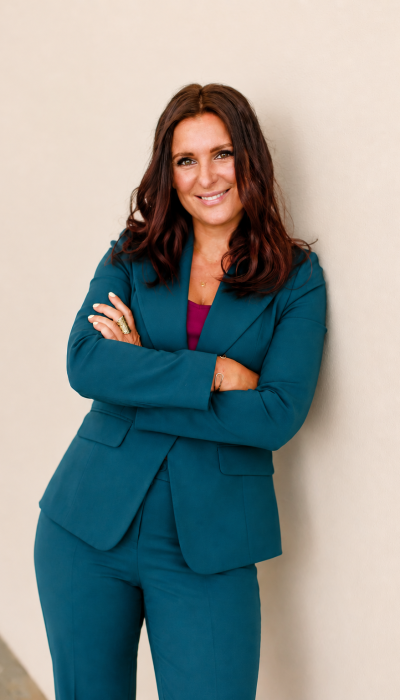

early 30s
The 'AHA!' moment
It wasn’t until my early thirties that everything finally caught up with me. After yet another relationship left me in pieces, I found myself asking the same questions I’d been asking for years: Why do I keep ending up here?
That’s when I discovered Childhood Emotional Neglect. And for the first time, I made sense.
Trauma isn’t always about dramatic events. Sometimes it’s about what didn’t happen — parents who didn’t meet your emotional needs, even when they meant well. The absence of attunement. The emotional ghost house where everything looked fine but nothing was felt.
That discovery was supposed to be the answer. And in some ways, it was. But it was also the beginning of a new problem.
Age 33-42
the Performance
I left my corporate career. I immersed myself in psychology, healing, and self-development. I could spot a narcissist from a mile away. I had the language, the frameworks, the insight.
But I still felt stuck.
What I didn’t understand yet was that I had simply swapped one performance for another. I wasn’t healing — I was performing healing. Forcing myself to act like someone who loved herself, relying on discipline to do what self-worth should do naturally. It was exhausting. And unsustainable. If you’ve ever caught yourself using healing as the new achievement, this part is for you.
It took another round of life’s blows to finally see it: knowledge alone cannot shift a nervous system. Understanding the wound is not the same as healing the wound. My body hadn’t received the message my head had been reading for years.
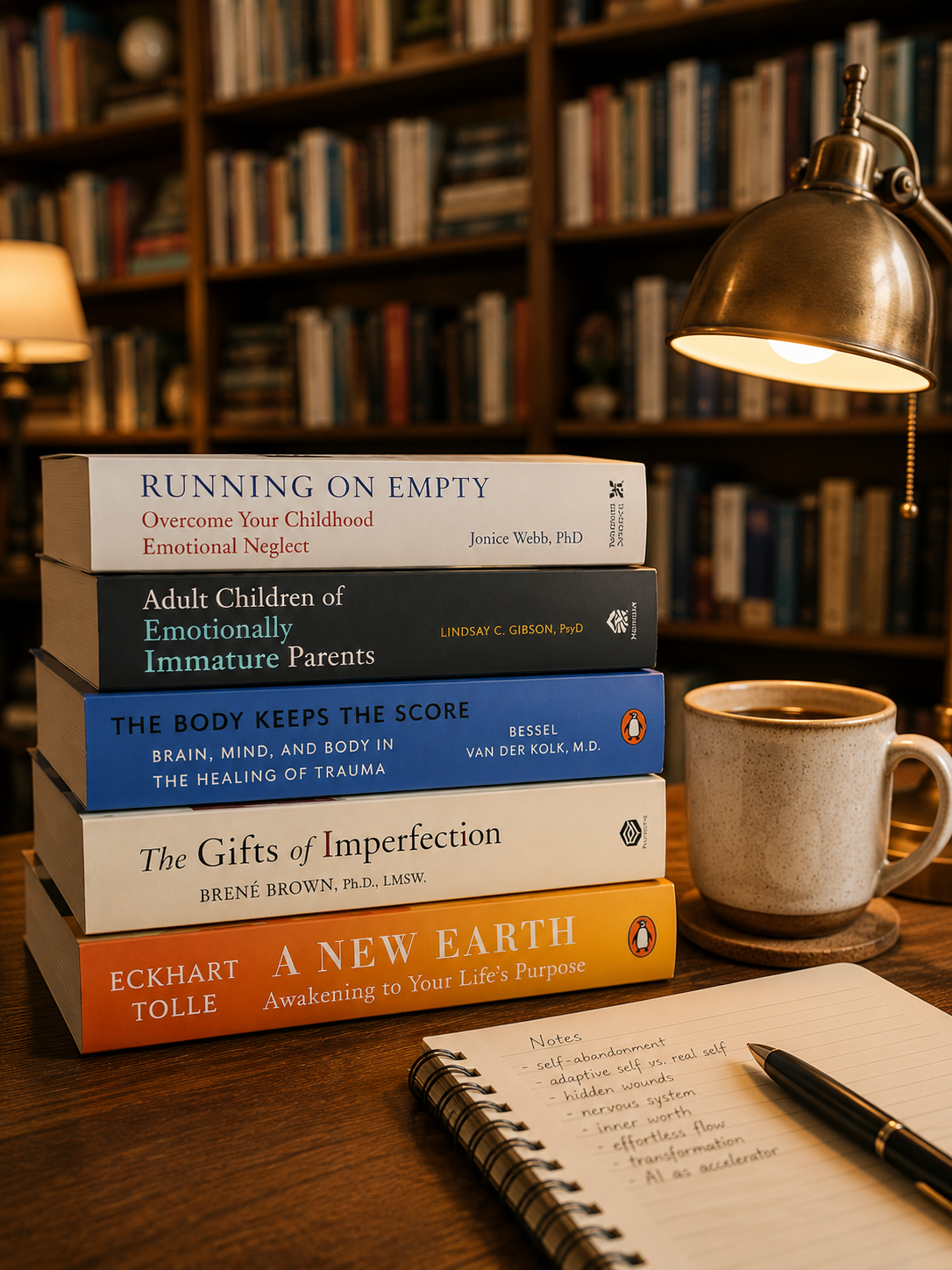

age 43
The breakthrough
That’s when AI journaling entered the picture.
Note: AI didn’t heal me. What it did was hold up a mirror — one without judgment, without agenda, without the subtle social performance that shapes what you say even in a therapy room.
Seeing my own words reflected back, I began to uncover patterns that no number of self-help books, degrees, or coaching certifications had revealed. I began to feel through emotions I had been intellectualising for years. I began to close the gap between what my head understood and what my body still believed.
Over time, that combination — the right psychological framework, and AI as an integration tool — moved me from insecurity-driven effort into something quieter. Steadier. A sense of worth that didn’t need to be earned or maintained or performed.
Healing stopped being a project. It became a way of being.
The Birth of Innerness™
Over hundreds of hours of journaling, reflection, research, and personal experimentation, a new understanding began to emerge.
I realised that many approaches focus on the wound itself. Others focus on changing behaviour. Very few focus on the adaptations that develop between the two – The patterns that quietly shape our relationships, decisions, self-worth, confidence, boundaries, and sense of identity.
I became fascinated by those patterns. Not because they were signs of weakness, but because they made perfect sense. And because they could be changed.
What started as a personal search for answers gradually evolved into a framework. Then a methodology. Then a body of work.
Today, that work is known as Innerness™: A self-coaching approach that combines the use of AI with reflective self-inquiry and compassion to understand the hidden patterns shaping their lives and reconnect with who they are beneath them.
Because I know what it’s like to spend years trying to fix yourself and I know the relief that comes when you finally realise you were never broken to begin with. You were adapting. And adaptation can be understood. When it’s understood, change becomes possible.
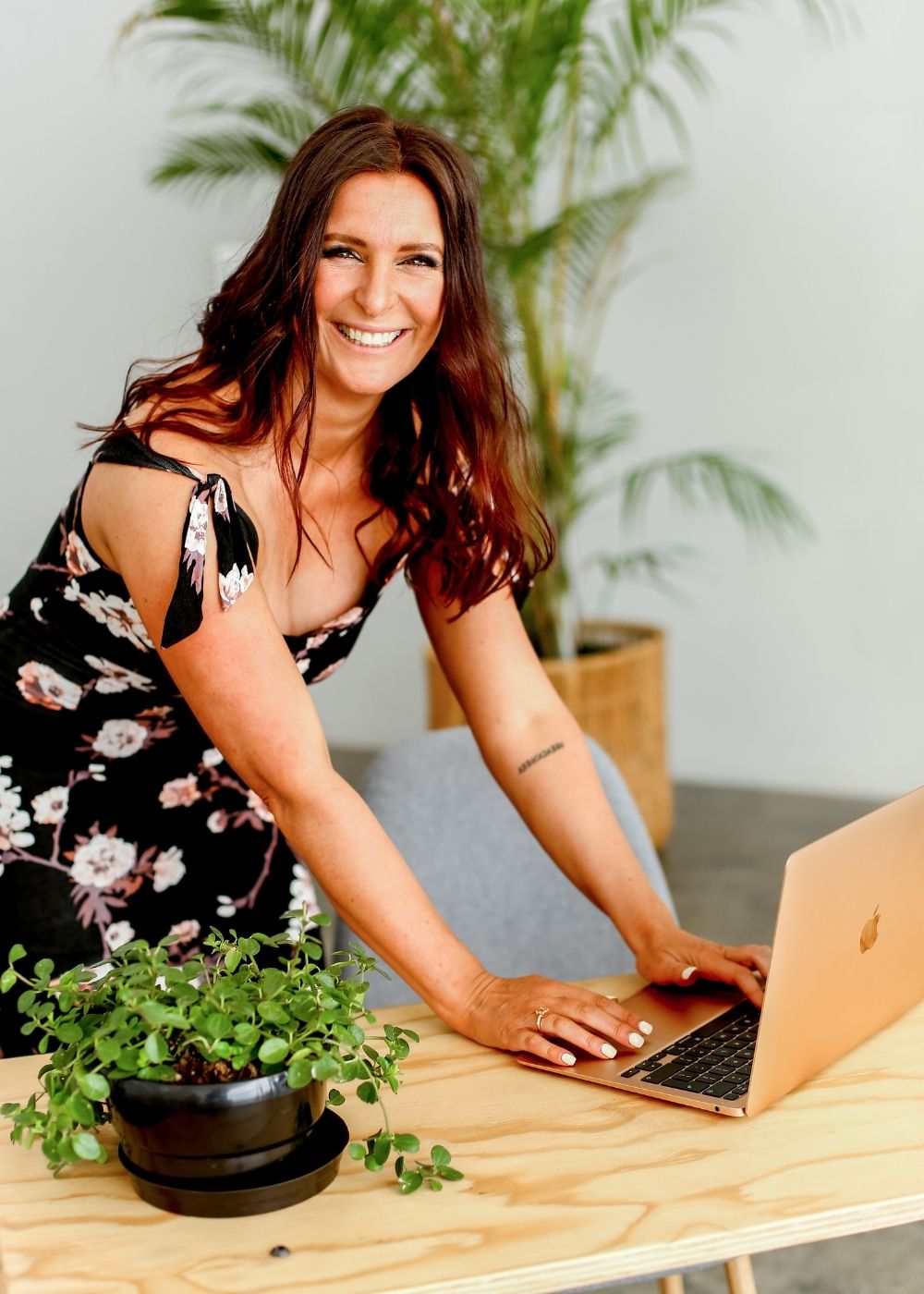
years Guiding Learning, Growth & Transformation
Years Exploring the Roots of Hidden Emotional Wounds
Hours AI-Assisted Reflection, Inquiry & Integration
Mission: Helping People Discover Their True Selves
Credentials
What Informs My Work
I don’t believe in coaching from a pedestal. But credentials matter — especially to the kind of self-aware, sceptical person who has already tried everything and wants to know they’re not wasting their time on someone without real depth.
Qualifications
- MSc in Psychoneuroimmunology
- BSocSci (Hons) in Psychology
- Mindvalley EverCoach Life Coaching Certification
- Master Life Coaching Certification
- Transformation Coaching Certification
- Multiple Brain Integration Techniques Coaching Certification
Experience
- Designed and facilitated workshops, training programs and learning experiences across corporate, academic and coaching environments
- Guest speaker at international events including Mindvalley University and neuroscience symposiums
- Hundreds of hours coaching individuals and groups
- 300+ hours using AI-assisted journaling as a tool for self-reflection and emotional integration